Overview of ABG Practice Question PDFs
ABG practice question PDFs compile concise case scenarios‚ pH‚ PaCO₂‚ and HCO₃ values‚ and detailed explanations. They enable quick self‑assessment‚ highlight common acid‑base patterns‚ and provide instant feedback for nursing exam readiness. Downloadable sets cover respiratory‚ renal cases boosting skill.
What Are Arterial Blood Gases?
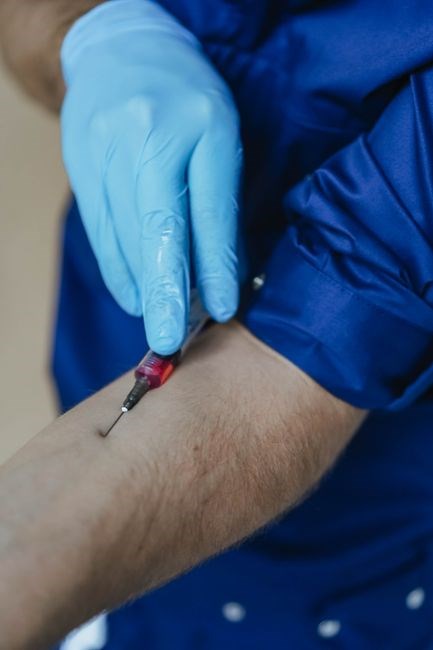
Arterial blood gases (ABG) are a critical laboratory assessment that measures the oxygenation‚ ventilation‚ and acid–base status of arterial blood. By analyzing parameters such as partial pressure of oxygen (PaO₂)‚ partial pressure of carbon dioxide (PaCO₂)‚ pH‚ bicarbonate (HCO₃⁻)‚ and oxygen saturation (SaO₂)‚ clinicians can rapidly evaluate respiratory function‚ detect metabolic disturbances‚ and guide therapeutic interventions. The ABG sample is drawn from an artery—most commonly the radial or femoral artery—to ensure accurate representation of systemic gas exchange‚ as venous blood would not reflect pulmonary oxygen uptake or carbon dioxide elimination. In addition to the core values‚ ABG panels often include electrolytes (sodium‚ potassium‚ chloride‚ bicarbonate)‚ lactate‚ and sometimes an ionized calcium measurement‚ providing a comprehensive snapshot of a patient’s physiologic state. Interpretation of ABG results requires an understanding of normal ranges (pH 7.35–7.45‚ PaCO₂ 35–45 mmHg‚ HCO₃⁻ 22–26 mEq/L) and the ability to identify deviations that indicate respiratory or metabolic alkalosis or acidosis. For example‚ a low PaCO₂ coupled with a high pH suggests a primary respiratory alkalosis‚ whereas a high HCO₃⁻ with a low pH indicates metabolic acidosis. The ABG is indispensable in critical care‚ emergency medicine‚ anesthesia‚ and chronic disease management‚ allowing clinicians to tailor ventilation strategies‚ adjust medication dosages‚ and monitor the effectiveness of interventions. Because ABG results are time‑sensitive‚ the procedure is performed under strict aseptic technique‚ and the sample is processed immediately to preserve gas tensions. Mastery of ABG interpretation is therefore essential for nursing professionals‚ respiratory therapists‚ and physicians alike‚ as it directly influences patient outcomes and informs evidence‑based decision‑making in acute and chronic settings. Educational resources‚ such as ABG practice question PDFs‚ provide structured scenarios that reinforce these concepts‚ allowing learners to test their diagnostic reasoning and apply theoretical knowledge to realistic clinical situations. By repeatedly engaging with varied ABG cases‚ students develop muscle memory for pattern recognition‚ enhancing their confidence during high‑stakes examinations and real‑world practice.

Importance in Nursing Exams
ABG interpretation is a cornerstone of nursing assessment‚ especially in high‑stakes exams such as the NCLEX. The test designers emphasize acid‑base concepts because they integrate physiology‚ pharmacology and critical thinking. Candidates must quickly translate numeric values into clinical actions‚ a skill that mirrors real‑world decision‑making. Practice question PDFs provide repeated exposure to varied scenarios‚ reinforcing pattern recognition for respiratory‚ metabolic‚ and mixed disorders. By solving these problems‚ students learn to identify compensatory mechanisms‚ calculate expected changes‚ and select appropriate interventions. The format of the PDFs—multiple‑choice and case‑based questions—mirrors exam structures‚ allowing learners to gauge timing and accuracy. Additionally‚ answer keys with explanations deepen understanding‚ highlighting common pitfalls and clarifying complex reasoning steps. Frequent practice also builds confidence‚ reducing test anxiety and improving performance under pressure. Many nursing programs incorporate ABG modules into their curricula‚ and the availability of free‚ downloadable PDFs makes this resource accessible to all learners. Ultimately‚ mastery of ABG concepts translates into better patient outcomes‚ as nurses can anticipate complications‚ adjust ventilator settings‚ and collaborate effectively with interdisciplinary teams. Therefore‚ incorporating ABG practice question PDFs into study plans is a strategic investment for any nursing professional aiming to excel on licensure examinations and in clinical practice.

Types of ABG PDFs Available
ABG PDFs come in free‚ paid‚ and premium bundles. Free sets offer 10–20 practice cases with answers. Paid versions include extensive libraries‚ downloadable PDFs‚ and interactive quizzes. Premium packages often bundle video tutorials‚ flashcards‚ and full NCLEX‑style question banks. Use PDFs to master exam patterns
Free Downloadable PDFs
Free downloadable ABG practice PDFs are widely available across nursing education sites. These PDFs typically contain concise case vignettes‚ pH‚ PaCO₂‚ and HCO₃ values‚ and a detailed answer key with explanations. For example‚ one resource offers eight practice problems with answers‚ another provides ten questions‚ and a third includes 48 interpretation questions. Users can download the documents in multiple formats—PDF‚ Word (.doc/.docx)‚ or plain text (.txt)—or view them online for instant review. The free sets are ideal for quick self‑assessment‚ allowing students to test their ability to identify acid‑base disorders‚ calculate compensatory changes‚ and select the correct diagnosis. Many of these PDFs are hosted on reputable nursing websites and can be accessed without a subscription‚ making them a convenient tool for both classroom study and independent practice. These PDFs are updated annually to reflect NCLEX outlines and incorporate scenarios. ! Students can find them on sites such as SimpleNursing‚ NursingExamCenter‚ and the American Association of Critical‑Care Nurses. Many resources provide hyperlinks to downloadable files directly from the home page‚ ensuring quick access. Because they are free‚ learners can download multiple copies‚ print them‚ or use them on mobile devices for on‑the‑go review. The format typically includes a concise answer key‚ step‑by‑step explanations‚ and optional practice quizzes that reinforce key concepts. These free PDFs enable study‚ letting students review cases anytime.!
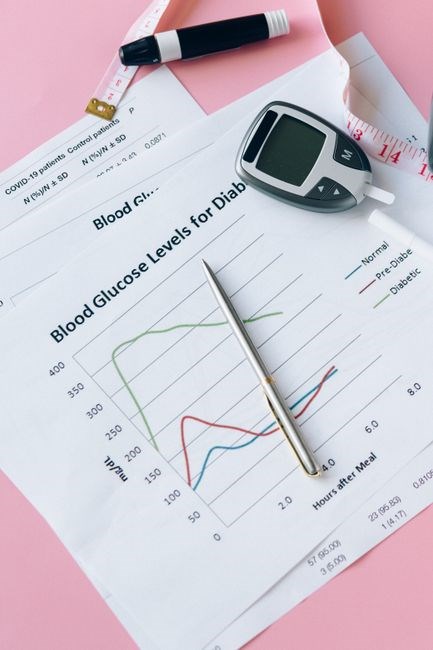
Typical Question Formats in ABG PDFs
ABG PDFs present brief case vignettes with pH‚ PaCO₂‚ HCO₃ values‚ followed by multiple‑choice or case‑based questions. Each problem lists clinical data‚ asks for the diagnosis‚ and supplies an answer key with concise explanations. This format mirrors NCLEX style. Practice sets add reasoning now.
Multiple Choice Questions
ABG practice PDFs with multiple‑choice questions are structured to mirror NCLEX‑style items. Each vignette presents a patient’s age‚ chief complaint‚ and key laboratory values—pH‚ PaCO₂‚ HCO₃⁻—followed by four answer options. The questions test the ability to identify the primary disturbance (respiratory or metabolic) and evaluate compensation using Winter’s formula or expected HCO₃⁻ changes. For instance‚ a 45‑year‑old with COPD may show a pH of 7.28‚ PaCO₂ of 55 mm Hg‚ and HCO₃⁻ of 24 mEq/L; the correct choice is a partially compensated respiratory acidosis. Other items cover mixed disorders‚ renal compensation‚ and scenarios requiring calculation of expected values. Each answer key explains the reasoning‚ clarifies why alternative choices are incorrect‚ and reinforces concepts such as the Henderson‑Hasselbalch equation‚ the role of kidneys versus lungs‚ and the impact of metabolic versus respiratory changes on pH. These PDFs are free to download in PDF‚ Word‚ or text formats‚ and they provide instant feedback‚ making them ideal for self‑study and exam review.
Students often use these PDFs to practice interpreting mixed disorders‚ such as a patient with a pH of 7.15‚ PaCO₂ of 60 mm Hg‚ and HCO₃⁻ of 18 mEq/L‚ which indicates a partially compensated metabolic acidosis with a respiratory component. By working through such examples‚ learners sharpen their ability to calculate expected compensatory changes‚ recognize when compensation is inadequate‚ and determine the most appropriate clinical intervention. and review. now.
Case-Based Questions
Case‑based ABG PDFs present realistic clinical scenarios that require integration of patient history‚ physical findings‚ and laboratory data. A typical item might describe a 68‑year‑old with chronic kidney disease‚ presenting with fatigue and edema‚ and provide arterial values: pH 7.32‚ PaCO₂ 40 mm Hg‚ HCO₃⁻ 18 mEq/L. Students must determine that the primary disorder is metabolic acidosis‚ assess compensation‚ and select the correct management step. Other cases involve acute respiratory failure‚ sepsis‚ or diabetic ketoacidosis‚ each accompanied by a concise answer key that explains the pathophysiology‚ expected compensatory responses‚ and common pitfalls. These PDFs often include a brief “clinical pearls” section‚ highlighting key mnemonic devices such as “HCO₃⁻ = 24 ± 2 mEq/L” for normal values or the use of the Winter’s formula for respiratory compensation. The format encourages active learning: after reading the vignette‚ the learner calculates expected values‚ compares them to the given results‚ and justifies the chosen answer. Many resources also provide downloadable worksheets for practice‚ allowing students to track progress and identify recurring misconceptions. By repeatedly engaging with varied case studies‚ students build confidence in interpreting complex ABG patterns‚ a skill that directly translates to higher NCLEX scores and improved bedside decision‑making. Students often review these PDFs in small groups‚ discussing each case’s clinical context and the rationale behind the chosen answer. This collaborative approach reinforces critical thinking and helps identify common misconceptions. Additionally‚ many PDFs provide a summary table that lists key ABG values and their corresponding acid‑base diagnoses‚ serving as a quick reference during exam preparation. Use them dailytoday

Core ABG Concepts Covered
ABG PDFs cover foundational concepts: pH‚ PaCO₂‚ HCO₃⁻ relationships‚ acid‑base classification‚ and compensation mechanisms. They explain how respiratory and metabolic disorders alter these values‚ guiding students to diagnose and manage imbalances accurately. Students practice interpreting values to
Acid-Base Imbalance Classifications
ABG practice PDFs systematically present the four primary acid‑base disorders: respiratory acidosis‚ respiratory alkalosis‚ metabolic acidosis‚ and metabolic alkalosis. Each case lists pH‚ PaCO₂‚ and HCO₃⁻ values‚ allowing students to identify whether the primary disturbance is respiratory or metabolic by examining the dominant variable. Respiratory disorders are characterized by abnormal PaCO₂; metabolic disorders show altered HCO₃⁻. The PDFs also include mixed‑state examples where both PaCO₂ and HCO₃⁻ deviate‚ requiring compensation assessment. Students learn to calculate expected compensatory changes using Winter’s formula for metabolic acidosis and the alveolar ventilation response for respiratory alkalosis. By solving these problems‚ learners internalize the classification logic‚ recognize patterns such as uncompensated‚ partially compensated‚ and fully compensated states‚ and apply the correct diagnostic labels in exam scenarios. These PDFs also provide quick reference tables for normal ranges‚ typical compensatory equations‚ and mnemonic aids‚ enabling rapid recall during high‑stakes testing. Practicing with these resources helps reinforce the logic of acid‑base physiology‚ ensuring that students can confidently interpret ABG results and select the appropriate clinical interventions. Additionally‚ the PDFs include answer keys with detailed explanations‚ allowing learners to review their reasoning and correct misconceptions immediately. This approach ensures ABG masteryforin nursing exams!.
Interpretation of pH‚ PaCO₂‚ and HCO₃ Levels
ABG practice PDFs emphasize the triad of pH‚ PaCO₂‚ and HCO₃⁻ as the diagnostic pillars for acid‑base assessment. The pH indicates the net acidity or alkalinity of the blood; values below 7.35 denote acidemia‚ above 7.45 alkalemia. PaCO₂ reflects the respiratory component; an elevated PaCO₂ (>45 mmHg) suggests hypoventilation‚ while a reduced PaCO₂ (<35 mmHg) indicates hyperventilation. HCO₃⁻ represents the metabolic buffer; low HCO₃⁻ (<22 mEq/L) signals metabolic acidosis‚ high HCO₃⁻ (>26 mEq/L) points to metabolic alkalosis. By cross‑referencing these three parameters‚ students learn to isolate the primary disorder: if PaCO₂ is abnormal while HCO₃⁻ remains within normal limits‚ the disturbance is respiratory; if HCO₃⁻ is abnormal with a normal PaCO₂‚ it is metabolic. Mixed disorders present simultaneous deviations‚ requiring calculation of expected compensatory changes. Practice PDFs provide step‑by‑step worksheets that guide learners through the decision tree: 1) assess pH direction‚ 2) evaluate PaCO₂ trend‚ 3) evaluate HCO₃⁻ trend‚ 4) determine compensation status using Winter’s formula or alveolar ventilation relationships‚ 5) assign the correct diagnosis. Each problem includes a concise explanation of the reasoning‚ reinforcing the logical sequence and ensuring mastery of interpretation skills essential for NCLEX success. Additionally‚ learners benefit from reviewing the rationale behind each answer‚ which reinforces critical thinking skills and confidence daily!!
Compensation Mechanisms
ABG practice PDFs focus on the body’s corrective responses to primary acid‑base disturbances. Students first identify the primary disorder—respiratory or metabolic—using the pH‚ PaCO₂‚ and HCO₃⁻ triad. Once the primary insult is isolated‚ the PDFs present the expected compensatory pattern. For respiratory acidosis‚ the kidneys retain bicarbonate‚ raising HCO₃⁻ by roughly 3.5 mEq/L for every 10 mmHg rise in PaCO₂ above 45 mmHg; the PDFs illustrate this with sample calculations. In respiratory alkalosis‚ renal excretion of bicarbonate lowers HCO₃⁻ by about 2 mEq/L per 10 mmHg drop in PaCO₂‚ and the PDFs show how to adjust for chronic versus acute shifts. Metabolic acidosis triggers hyperventilation; the expected decrease in PaCO₂ is approximately 4 mmHg for every 1 mEq/L fall in HCO₃⁻‚ and practice sets ask students to compute the target PaCO₂ and verify it against the case data. For metabolic alkalosis‚ the respiratory system compensates by hypoventilation‚ raising PaCO₂ by roughly 5 mmHg per 1 mEq/L rise in HCO₃⁻; PDFs include step‑by‑step reasoning. Mixed disorders are addressed by combining both respiratory and metabolic adjustments‚ and the PDFs provide decision trees that guide learners through the hierarchy of compensation. Each question concludes with a concise explanation that links the calculated compensatory values to textbook formulas‚ reinforcing the physiological logic behind the numbers. By repeatedly applying these mechanisms‚ students build muscle memory for interpreting real‑world ABG results‚ a skill directly transferable to NCLEX scenarios and clinical practice.
Using ABG PDFs for Exam Preparation
ABG PDFs serve as focused study tools‚ offering concise case scenarios and instant answer keys. By cycling through practice sets‚ learners sharpen interpretation skills‚ reinforce compensation logic‚ and build confidence for NCLEX and clinical exams. Consistent review yields mastery. Daily practice sharpen.
NCLEX‑Focused Question Sets

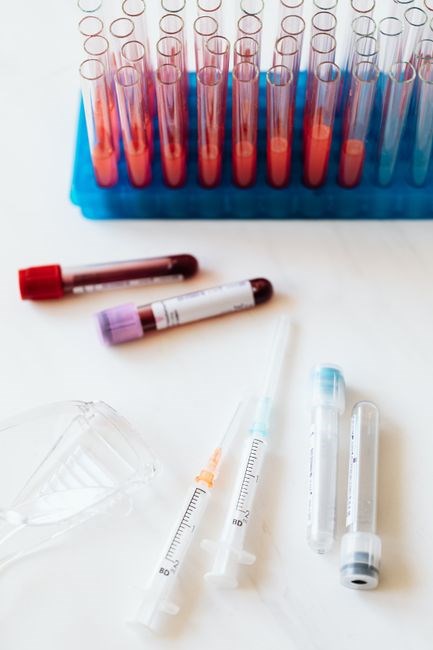
These question sets are curated to mirror the NCLEX format‚ featuring concise clinical vignettes‚ pH‚ PaCO₂‚ and HCO₃ values‚ and multiple‑choice answers that reflect the exam’s emphasis on critical thinking and patient safety. Each set includes a brief explanation of the correct answer‚ highlighting the underlying pathophysiology and the rationale for the chosen intervention. The questions are organized by difficulty level‚ allowing students to progress from basic acid‑base concepts to complex compensatory mechanisms. By practicing with these targeted sets‚ learners can identify common pitfalls‚ such as misinterpreting compensatory changes or overlooking mixed disorders‚ and develop strategies to avoid them during the actual exam. The downloadable PDFs also feature a quick‑reference cheat sheet summarizing key equations‚ normal ranges‚ and common clinical scenarios‚ which can be printed and reviewed on the go. Additionally‚ each set offers a summary of the most frequently tested ABG patterns‚ ensuring that students focus on high‑yield content. Using these NCLEX‑focused resources in a structured study plan—allocating time for practice‚ review‚ and self‑assessment—can significantly improve test performance and confidence.

Students who integrate these NCLEX‑focused ABG PDFs into daily revision cycles report higher confidence levels and improved time management during exams. By consistently tackling diverse scenarios‚ they build pattern recognition skills that translate into rapid‚ accurate decision‑making under pressure. and win.!