Boral Exposed Aggregate Colours: A Comprehensive Guide
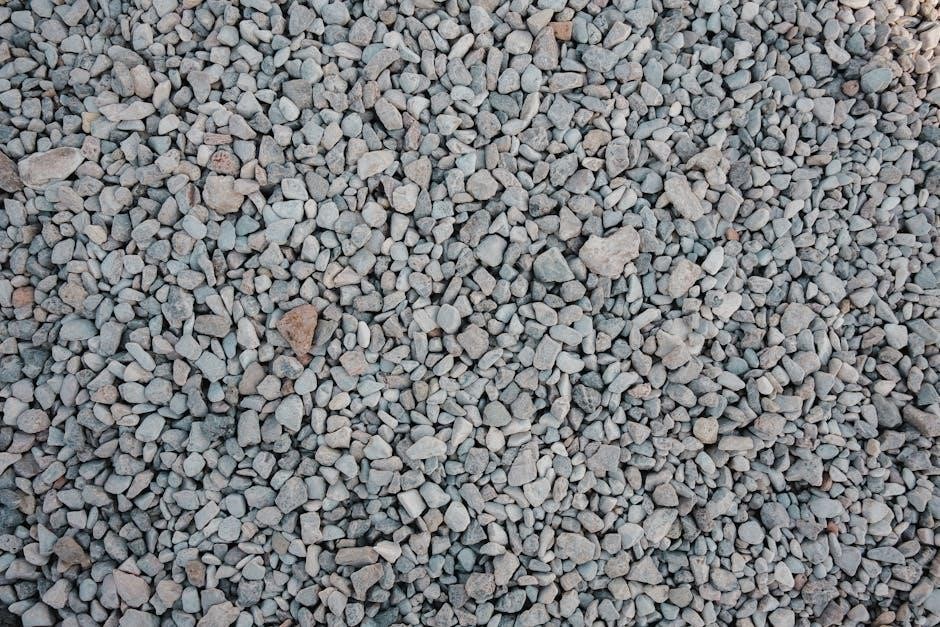
Boral offers diverse colour palettes for exposed aggregate, detailed in downloadable PDF resources. These guides showcase options like Pewter, Charcoal, and Bronze, aiding selection.
Understanding Exposed Aggregate Concrete
Exposed aggregate concrete is a visually striking and durable paving option, created by exposing the decorative aggregate within the concrete mix. This is achieved through a carefully controlled washing or abrasive blasting process after the concrete has partially set. Boral, a leading concrete supplier, offers a wide range of aggregate types and colours to achieve diverse aesthetic outcomes.
The beauty of exposed aggregate lies in its natural variations and textures. Understanding the process is key to appreciating the final result. The aggregate isn’t simply laid on top; it’s an integral part of the concrete matrix. Boral provides comprehensive PDF guides detailing the process, aggregate options, and colour charts to assist in project planning. These resources are invaluable for architects, landscapers, and homeowners alike.
These guides often include information on cement types, sealer options, and potential colour variations. Properly understanding these factors ensures a successful and visually appealing outcome. Boral’s commitment to quality and detailed documentation makes choosing and implementing exposed aggregate concrete a streamlined experience. Accessing their PDF resources is the first step towards a beautiful and lasting surface.
What is Boral and its Role in Aggregate Concrete?
Boral is a major supplier of building and construction materials, including a comprehensive range of concrete products. They are a key player in the exposed aggregate concrete market, offering a diverse selection of aggregates, cement, and admixtures specifically designed for creating stunning and durable surfaces. Boral’s expertise extends beyond simply supplying materials; they provide technical support and detailed guidance throughout the project lifecycle.
Their role in aggregate concrete is multifaceted, encompassing everything from sourcing high-quality aggregates to formulating specialized concrete mixes; Boral understands the importance of colour consistency and offers solutions to minimize variations. Crucially, they provide extensive PDF documentation outlining their product range, colour charts, and application guidelines.
These PDF resources are essential for anyone considering exposed aggregate concrete, offering detailed specifications and best practices. Boral’s commitment to innovation and quality ensures that their products meet the highest industry standards. By utilizing their materials and resources, contractors and homeowners can achieve exceptional results with confidence, knowing they are backed by a trusted industry leader.
The Science Behind Exposed Aggregate Colour
Exposed aggregate concrete’s colour isn’t solely determined by the surface stones; it’s a complex interplay of aggregate composition, cement chemistry, and finishing techniques. The colour of the aggregate itself – sourced from natural stone quarries – varies significantly based on geological origin and mineral content. Boral’s PDF guides detail the specific mineralogy contributing to each colour range, like iron oxides influencing reddish hues or quartz providing lighter tones.
Cement type also plays a crucial role. Different cement formulations contain varying levels of iron and other compounds, subtly altering the overall concrete colour. Retarders used during washing can also impact colour intensity. The washing process itself, removing the cement paste, reveals the aggregate, but inconsistent washing leads to colour variation.
Boral’s technical PDFs explain how to control these variables. They emphasize the importance of consistent mix designs, proper washing techniques, and the use of colour-enhancing sealers. Understanding these scientific principles, as outlined in their documentation, is vital for achieving predictable and aesthetically pleasing results. Careful consideration of these factors ensures a durable and visually appealing surface.
Factors Influencing Colour Variation
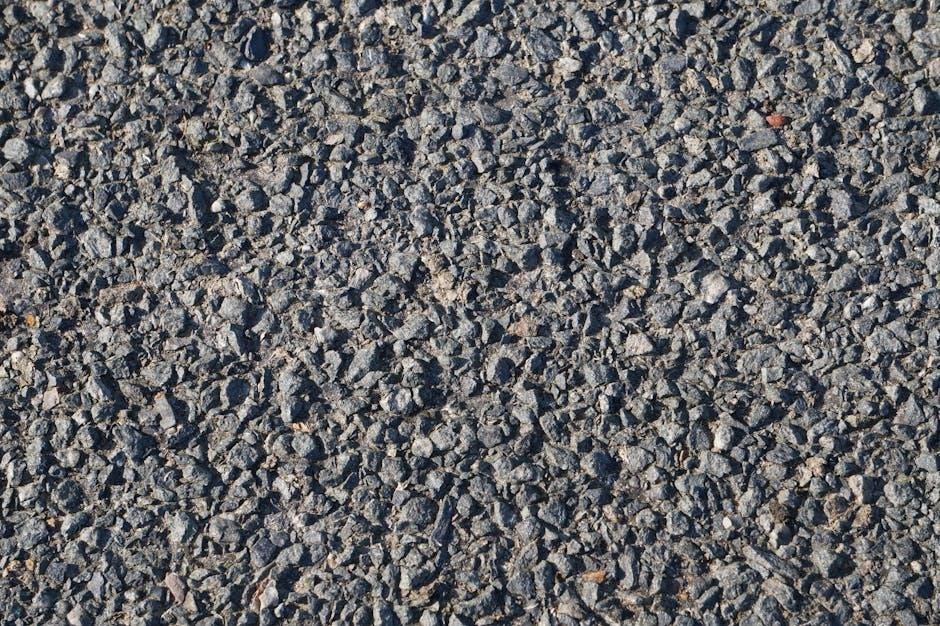
Achieving uniform colour in exposed aggregate concrete is challenging due to inherent natural variations. Boral’s comprehensive PDF resources acknowledge several key influencing factors. Aggregate itself isn’t perfectly consistent; size, shape, and colour within a single batch can differ. Natural stone exhibits inherent veining and tonal shifts, impacting the final appearance.
Placement techniques also contribute. How the concrete is consolidated and finished affects aggregate exposure. Uneven trowelling or inconsistent washing reveals varying amounts of aggregate, creating visual texture and colour differences. Weather conditions during placement – temperature and humidity – can influence cement hydration rates, subtly altering colour.
Boral’s PDF guides stress the importance of controlling these variables. They recommend consistent mixing, proper consolidation, and careful washing procedures. Using a colour sealer, as detailed in their documentation, can help minimize variations and enhance colour consistency. Understanding these factors, and referencing Boral’s resources, is crucial for managing expectations and achieving a satisfactory outcome.
Aggregate Type and Colour
Boral’s exposed aggregate concrete colour is fundamentally dictated by the aggregate selected. Their detailed PDF colour guides showcase a range of natural stone options, each possessing unique characteristics. Granite aggregates typically offer greys, silvers, and blacks, while quartz provides whites, creams, and tans. Basalt yields darker, charcoal tones, and river pebbles introduce a spectrum of earthy hues.
The PDF resources emphasize that even within a specific aggregate type, colour variation exists. Natural stone isn’t uniform; subtle differences in mineral composition create tonal shifts. Particle size also plays a role – larger aggregates exhibit more pronounced colour, while smaller ones blend more seamlessly.
Boral’s guides often include images illustrating the typical colour range for each aggregate. They advise obtaining physical samples to assess colour accurately, as screen representations can be misleading. Careful aggregate selection, guided by Boral’s PDF documentation, is the first step towards achieving the desired aesthetic.
Cement Type and its Impact
While aggregate dictates the primary colour of Boral’s exposed aggregate concrete, the cement type significantly influences the final shade. PDF guides from Boral detail how different cement formulations interact with aggregates. Grey cement, the most common, provides a neutral backdrop, allowing aggregate colours to shine. However, it can slightly darken overall tones.
White cement, showcased in Boral’s documentation, dramatically brightens the concrete, enhancing lighter-coloured aggregates like quartz or shell. It’s ideal for achieving pastel or vibrant effects. However, white cement is more expensive and can be less durable.
Boral’s PDF resources also mention pigmented cements. These allow for subtle colour adjustments, creating warmer or cooler undertones. The guides caution against over-pigmentation, as it can obscure the aggregate’s natural beauty. Understanding cement’s impact, as detailed in Boral’s materials, is crucial for colour consistency and achieving the desired aesthetic.
Sealer Influence on Colour
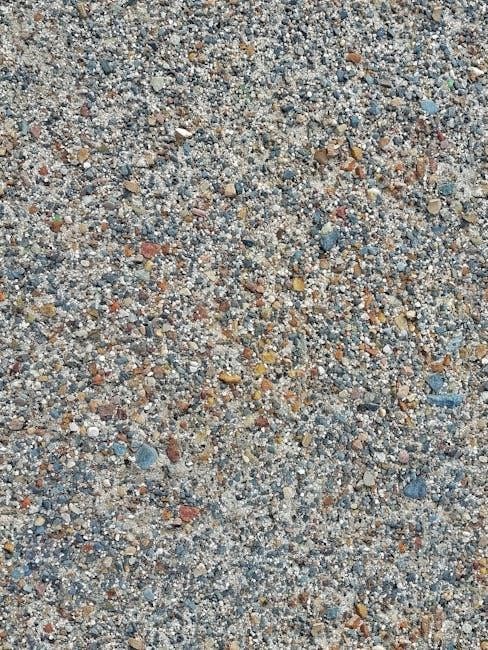
Applying a sealer to Boral exposed aggregate concrete isn’t merely protective; it profoundly impacts the final colour. Boral’s comprehensive PDF guides emphasize this, detailing how sealers can either enhance or alter the aggregate’s appearance. Acrylic sealers, commonly used, often deepen colours, providing a ‘wet look’ that intensifies the aggregate’s vibrancy.
Penetrating sealers, as explained in Boral’s documentation, offer a more natural finish, allowing the aggregate’s inherent colour to remain largely unchanged. They provide excellent protection without significantly altering the aesthetic. However, they offer less colour enhancement.
Boral’s PDF resources strongly recommend testing sealers on a sample area before full application. Different sealers react uniquely with various aggregates and cement types. The guides also caution against using sealers containing UV inhibitors, as these can sometimes cause a slight yellowing over time, impacting the original colour. Careful sealer selection, guided by Boral’s advice, is vital.
Boral Exposed Aggregate Colour Options
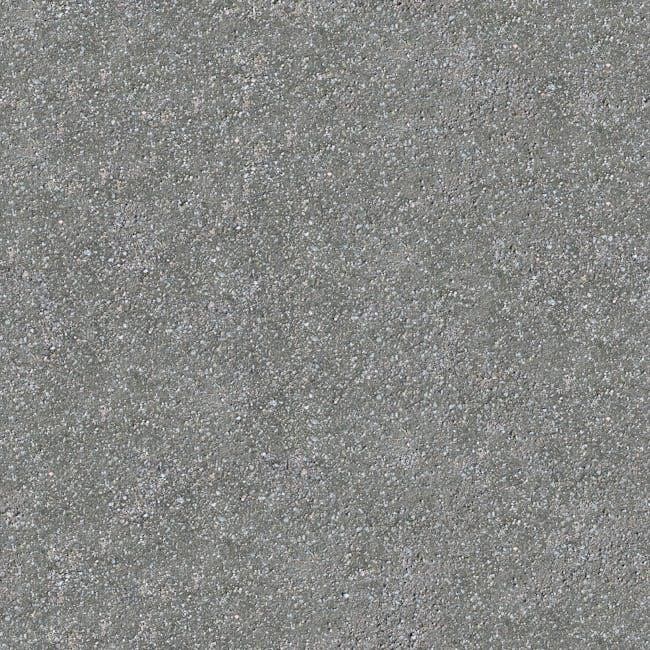
Boral’s PDF catalogues detail extensive colour ranges, including popular choices like Pewter, Charcoal, Silver, and Bronze, offering diverse aesthetic possibilities for projects.
Popular Boral Colour Ranges
Boral provides a spectrum of exposed aggregate colour options, comprehensively detailed within their downloadable PDF colour guides; These resources are invaluable for visualizing potential outcomes and making informed decisions for your project. Among the most sought-after choices, Pewter consistently delivers a sophisticated, modern aesthetic, blending greys with subtle shimmer. Charcoal offers a bolder, more dramatic look, ideal for creating striking contrasts and a contemporary feel.
Silver provides a lighter, brighter alternative, reflecting sunlight beautifully and enhancing the overall ambience. Bronze, on the other hand, introduces warmth and richness, evoking a sense of natural elegance. Each colour range is presented with high-quality imagery in the PDFs, showcasing the aggregate’s texture and colour variations. These guides often include project examples, demonstrating how each colour performs in real-world applications.
Furthermore, Boral’s PDFs frequently outline the aggregate blends used to achieve each colour, providing insight into the composition and potential for customization. Accessing these resources directly from Boral’s website ensures you have the most up-to-date information regarding availability and specific product details. Careful review of these PDFs is crucial for achieving the desired aesthetic and ensuring project satisfaction.
Pewter Exposed Aggregate
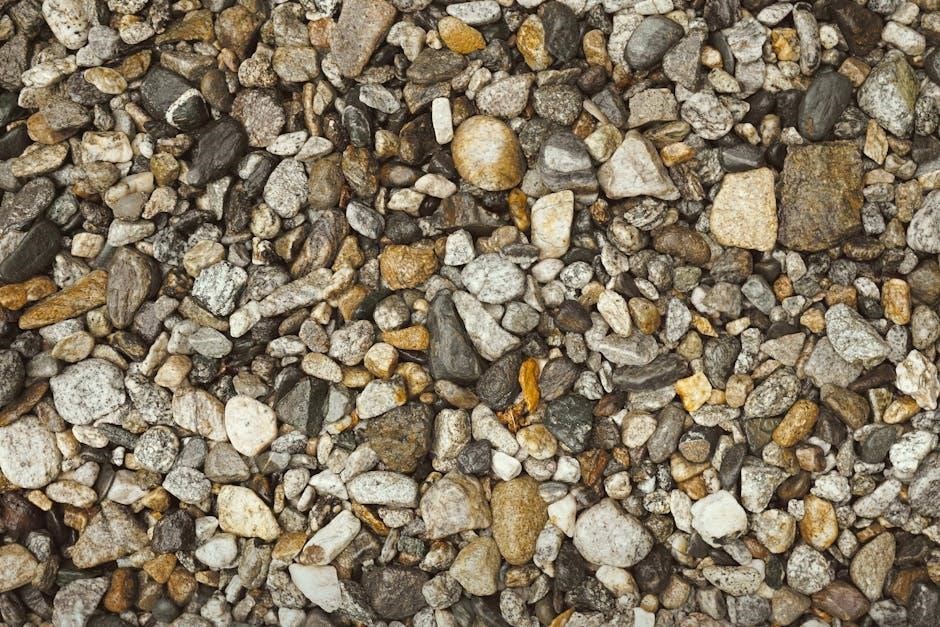
Boral’s Pewter exposed aggregate is a consistently popular choice, extensively showcased in their detailed PDF colour guides. These guides illustrate Pewter’s sophisticated blend of greys, often incorporating subtle silver and charcoal tones for added depth. The PDF resources highlight Pewter’s versatility, demonstrating its suitability for a wide range of applications, from driveways and patios to pool surrounds and pathways.
The colour’s neutral palette complements various architectural styles, offering a modern yet timeless aesthetic. Boral’s PDFs typically include close-up images of the aggregate blend, allowing for a clear understanding of the texture and colour variation. They also often feature completed project examples utilizing Pewter, providing visual inspiration.
Detailed specifications within the PDFs outline the recommended concrete mix designs and sealing options to enhance and protect Pewter’s colour. Understanding these guidelines, as presented in the PDF, is crucial for achieving a long-lasting and visually appealing result. Boral’s commitment to quality and detailed documentation ensures a predictable and satisfying outcome when selecting Pewter.
Charcoal Exposed Aggregate
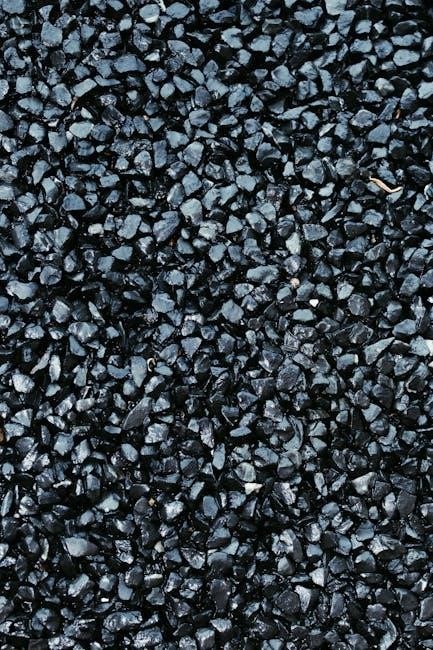
Boral’s Charcoal exposed aggregate presents a dramatic and contemporary aesthetic, comprehensively detailed within their downloadable PDF colour guides. These resources showcase a rich, deep grey hue, often incorporating darker shades and subtle variations for visual interest. The PDF documentation emphasizes Charcoal’s ability to create a sophisticated and grounding effect in outdoor spaces.
Boral’s PDFs illustrate Charcoal’s suitability for modern architectural designs, highlighting its ability to complement darker building materials and landscaping features. They frequently include high-resolution images of completed projects, demonstrating the colour’s impact in real-world applications. These visual aids are invaluable for homeowners and designers.
The PDF specifications provide crucial information regarding appropriate concrete mixes and sealing options to maximize Charcoal’s colour intensity and durability. Proper sealing, as outlined in the PDF, is essential for protecting against weathering and maintaining the colour’s vibrancy over time. Boral’s detailed guides ensure a successful and long-lasting installation of Charcoal exposed aggregate.
Silver Exposed Aggregate
Boral’s Silver exposed aggregate offers a light and airy aesthetic, thoroughly documented in their accessible PDF colour guides. These resources showcase a range of subtle greys and whites, creating a bright and reflective surface. The PDF materials emphasize Silver’s versatility and its ability to enhance the natural light in outdoor areas.
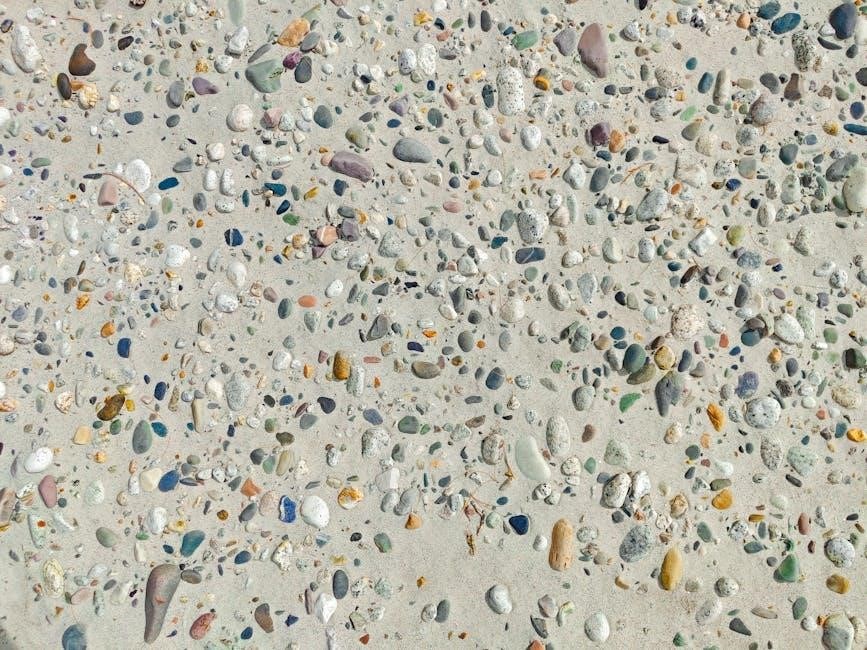
Boral’s PDFs demonstrate Silver’s compatibility with various architectural styles, from contemporary to traditional, highlighting its ability to create a clean and sophisticated look. They often feature project examples illustrating how Silver complements lighter-coloured homes and landscaping. These visuals aid in informed decision-making.
The PDF specifications detail recommended concrete mixes and sealing techniques to achieve optimal colour consistency and longevity with Silver. Proper sealing, as detailed within the PDF, is crucial for preventing colour fading and protecting against environmental factors. Boral’s comprehensive guides ensure a successful and durable Silver exposed aggregate installation, providing lasting beauty.
Bronze Exposed Aggregate
Boral’s Bronze exposed aggregate presents a warm and inviting aesthetic, comprehensively detailed within their downloadable PDF colour guides. These resources showcase rich, earthy tones, evoking a sense of natural elegance and sophistication. The PDF materials emphasize Bronze’s ability to create a welcoming and luxurious outdoor space, complementing warmer architectural styles.
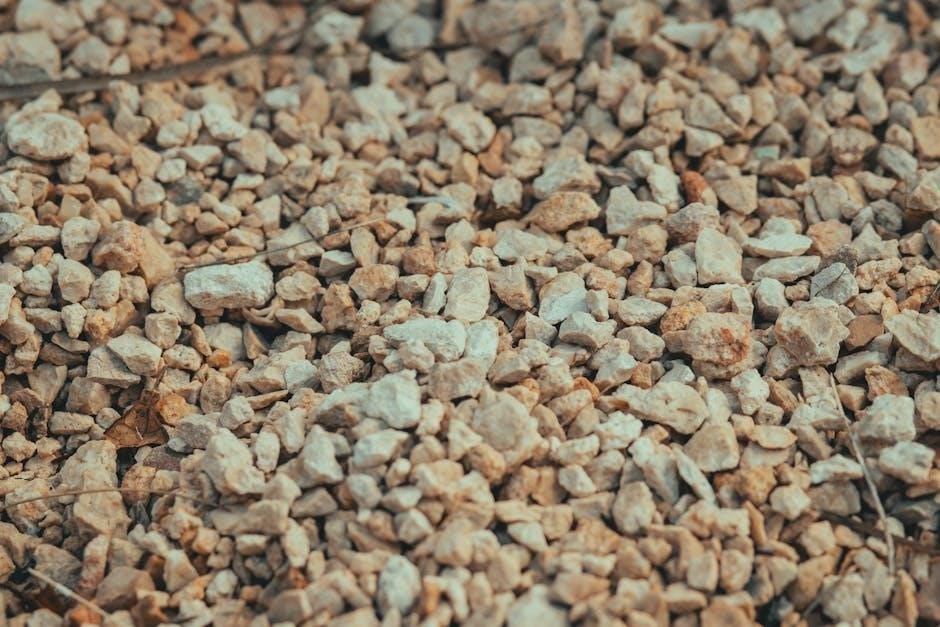
Boral’s PDFs demonstrate Bronze’s versatility in various applications, from driveways and patios to pool surrounds, highlighting its ability to add a touch of classic charm. They often include project examples illustrating how Bronze harmonizes with brick, stone, and wood elements. These visuals are invaluable for design planning.
The PDF specifications outline recommended concrete mixes and sealing options to achieve optimal colour depth and durability with Bronze. Proper sealing, as detailed in the PDF, is essential for preserving the richness of the colour and protecting against weathering. Boral’s guides ensure a lasting and visually appealing Bronze exposed aggregate finish, offering enduring value.
Achieving Desired Colours & Considerations
Boral’s PDF guides are crucial for colour matching, offering sealed samples for accurate previews. Careful consideration of variables ensures optimal results and client satisfaction.
Colour Matching and Samples
Accurate colour representation is paramount when selecting Boral exposed aggregate. Relying solely on digital displays can be misleading due to variations in screen calibration and lighting conditions. Therefore, Boral provides comprehensive PDF resources detailing their colour ranges, but these should be used as a starting point, not a definitive guide.
The most effective method for achieving desired colours is through physical samples. Boral strongly recommends requesting a colour-sealed sample specific to your project. These samples showcase the aggregate exposed and sealed, providing a realistic representation of the final appearance. The sealing process significantly impacts the colour intensity and tone, so viewing an unsealed sample is insufficient.
When requesting samples, specify the intended sealer to be used, as different sealers can subtly alter the colour. Furthermore, consider the surrounding environment and existing landscaping when evaluating samples. Viewing the sample in various lighting conditions – direct sunlight, shade, and overcast – will help ensure the chosen colour complements the overall aesthetic. Boral’s PDF documentation often includes guidance on sealer compatibility and potential colour shifts.
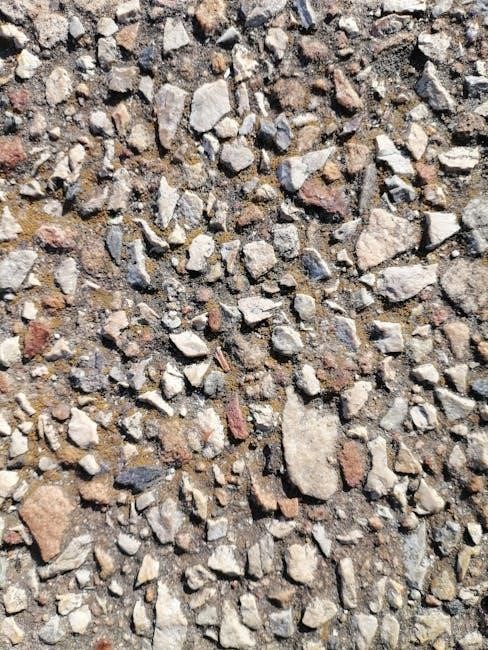
The Importance of a Colour-Sealed Sample
While Boral’s PDF colour charts offer a valuable overview of available exposed aggregate options, they cannot fully replicate the final visual outcome. The application of a sealer dramatically alters the aggregate’s appearance, intensifying or subtly shifting the colour tones. Therefore, a colour-sealed sample is absolutely crucial for informed decision-making.
An unsealed sample only reveals the natural colour of the aggregate; it doesn’t account for the sealer’s impact on depth, clarity, and overall finish. Different sealer types – acrylic, polyurethane, or epoxy – each impart unique characteristics. The PDF resources may detail sealer recommendations, but a sample allows for direct comparison.
Furthermore, environmental factors like sunlight and moisture can influence the sealed colour over time. A colour-sealed sample, exposed to similar conditions, provides a more accurate prediction of long-term colour durability. Requesting multiple samples with different sealer options is advisable, allowing you to assess the nuances and select the perfect complement to your project’s design. Don’t rely solely on digital representations; a tangible sample is key.
PDF Resources for Boral Exposed Aggregate Colours
Boral provides comprehensive PDF documents detailing their extensive range of exposed aggregate colour options. These resources are invaluable for project planning, offering detailed visuals and technical specifications for each colour blend. You can typically find these PDF guides on the official Boral website, specifically within their concrete product sections.
These downloadable guides showcase colour palettes like Pewter, Charcoal, Silver, and Bronze, often including images of completed projects utilizing each blend. Beyond colour representation, the PDFs frequently contain information regarding aggregate size, recommended sealer types, and potential colour variations based on cement and installation techniques.
Look for documents outlining colour charts, technical data sheets, and installation guides. Some PDFs may also include compatibility information with other Boral concrete products. Downloading and reviewing these resources prior to making a selection ensures a clear understanding of the available options and helps facilitate a successful project outcome. Always refer to the latest versions available on the Boral website.
Long-Term Colour Durability and Maintenance
Maintaining the vibrant colour of Boral exposed aggregate concrete requires proactive care. While durable, exposure to UV rays, weathering, and chemical spills can gradually affect the initial hue. PDF resources from Boral often detail recommended sealing practices to mitigate these effects, extending colour longevity.
Regular cleaning with mild detergents and water is crucial to prevent dirt and grime buildup, which can dull the aggregate’s appearance. Avoid harsh chemicals or abrasive cleaners that could damage the sealer or the aggregate itself. Periodic resealing, typically every 2-5 years depending on traffic and exposure, is highly recommended.
The Boral PDF guides frequently emphasize the importance of selecting a high-quality sealer compatible with the specific aggregate blend. Proper sealer application creates a protective barrier against staining and fading. Addressing spills promptly and avoiding de-icing salts can also contribute to long-term colour preservation, ensuring your surface remains aesthetically pleasing for years to come.