Real Book Sixth Edition PDF: A Comprehensive Guide (Updated 04/28/2026)
Today, April 28th, 2026, resources like the Internet Archive offer the Real Book Sixth Edition for download, boasting uploads from 2022 with 39MB file sizes.
What is the Real Book?
The Real Book is a widely recognized and immensely influential collection of lead sheets – melodic lines and chord changes – for jazz standards and popular songs. Originally compiled by students at the Berklee College of Music in the 1970s, it quickly became an essential resource for jazz musicians.
Its significance lies in providing a relatively accessible and comprehensive repertoire in a single volume. The Sixth Edition, a current iteration, represents a substantial evolution from earlier versions. It aims to correct inaccuracies and expand the song list, offering musicians a more reliable and extensive resource.
PDF versions, like those found on platforms such as the Internet Archive and PDFCOFFEE.COM, offer convenient access to this invaluable collection. However, users should be aware of copyright considerations and potential quality issues related to OCR accuracy when utilizing these digital copies. The Real Book remains a cornerstone of jazz education and performance.
Historical Context of the Real Book
The Real Book’s origins trace back to the 1970s at Berklee College of Music, born from a need for a comprehensive, portable jazz repertoire. Students painstakingly transcribed songs by ear, creating handwritten lead sheets – melody and chords – for practical use in jam sessions and gigs.
These early compilations were circulated informally, quickly gaining popularity within the jazz community. The initial versions were often of questionable legality due to copyright issues, as permissions weren’t secured for the included material.
Over time, the demand led to increasingly polished, though still unauthorized, editions. The evolution culminated in the officially sanctioned Sixth Edition, published by Hal Leonard. Digital PDFs, available on sites like the Internet Archive (uploaded as early as 2022), reflect this history, offering accessibility alongside ongoing copyright discussions.
The Evolution Through Editions (1st to 6th)
The Real Book began as illicit, handwritten collections, evolving through several unofficial editions. The first editions were characterized by inconsistent quality and accuracy, reflecting the transcription process. Later iterations saw improvements in legibility and song selection, driven by user feedback and wider circulation.
Each edition attempted to address shortcomings of its predecessor, expanding the repertoire and refining the charts. However, copyright concerns remained a constant issue. The transition to officially licensed editions, culminating in the Sixth Edition, marked a significant turning point.
Hal Leonard’s involvement brought professional engraving, accurate transcriptions, and legal compliance. PDFs of the Sixth Edition, found on platforms like the Internet Archive, represent the peak of this evolution, offering a standardized and authorized resource for musicians. File sizes, around 39MB, reflect the comprehensive content.
Real Book Sixth Edition: Key Features
The Real Book Sixth Edition represents a substantial upgrade, offering over 1200 songs in a single volume. A key feature is the professionally engraved music notation, ensuring clarity and readability – a significant improvement over earlier, handwritten versions. The charts are meticulously transcribed, aiming for accuracy in melody, harmony, and rhythm.
This edition includes a diverse range of jazz standards, popular tunes, and contemporary compositions. PDF versions, readily available through sources like PDFCOFFEE.COM, maintain this comprehensive catalog. The Internet Archive also hosts uploads, often utilizing OCR technology (version 5.1.0-1-ge935) for text recognition.
With a typical file size of 39MB, the Sixth Edition provides musicians with a reliable and extensive repertoire, facilitating practice and performance. The inclusion of chord symbols and lead sheets makes it invaluable for jazz musicians.
Changes and Improvements in the 6th Edition
The Real Book Sixth Edition showcases significant enhancements over its predecessors. Notably, the accuracy of transcriptions has been prioritized, addressing criticisms of earlier editions. Improved engraving and layout contribute to enhanced readability, crucial for musicians navigating complex charts.
PDF versions, sourced from platforms like the Internet Archive and PDFCOFFEE.COM, reflect these improvements. The OCR process (utilizing tesseract 5.1.0-1-ge935) aims to convert scanned pages into searchable text, though accuracy can vary. A larger song selection, exceeding 1200 titles, expands the repertoire.
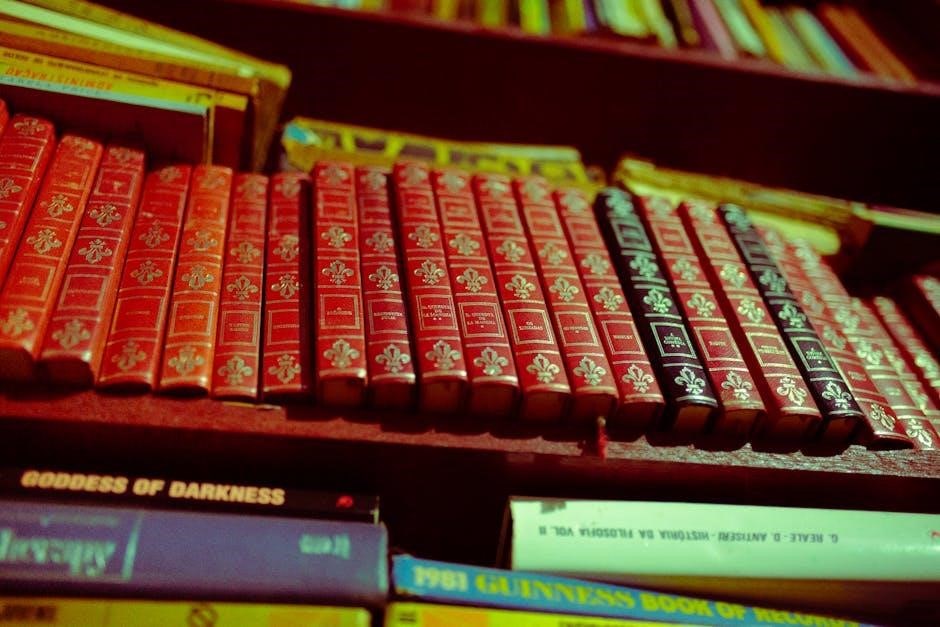
The Sixth Edition also features updated chord symbols and clearer lead sheets. While file sizes around 39MB are typical, users should be aware of potential formatting inconsistencies in PDF copies.
Content Overview: Genres and Styles Included
The Real Book Sixth Edition, available as a PDF, is a compendium of jazz standards and popular tunes spanning diverse genres. Predominantly focused on jazz, it encompasses styles like bebop, hard bop, modal jazz, and Latin jazz. However, the collection extends beyond pure jazz, including selections from pop, rock, R&B, and even classical influences.
PDF versions sourced from sites like the Internet Archive and PDFCOFFEE.COM showcase this breadth. The songbook features works by iconic composers and performers, offering a comprehensive overview of the jazz repertoire. Expect to find compositions by artists like Duke Ellington, Charlie Parker, and Miles Davis.

The Sixth Edition’s extensive catalog – over 1200 songs – caters to a wide range of musical tastes, making it a valuable resource for musicians across various styles.
Legality and Copyright Concerns
Distributing and downloading the Real Book Sixth Edition PDF raises significant legality and copyright concerns. The original Real Book, and subsequent editions, contain copyrighted material – musical compositions and arrangements – protected by law. Unauthorized PDF copies circulating online, like those found on platforms such as PDFCOFFEE.COM and the Internet Archive, often infringe upon these copyrights.
While the Internet Archive offers access, it doesn’t necessarily guarantee legality; uploads may violate copyright. Downloading from unofficial sources constitutes copyright infringement, potentially leading to legal repercussions.
Users should be aware that possessing or sharing illegally obtained PDF versions is a violation of copyright law. Hal Leonard, the official publisher, actively protects its intellectual property.
Understanding Copyright Law Regarding the Real Book
Copyright law protects the musical compositions and arrangements within the Real Book Sixth Edition. Hal Leonard holds the copyright for the published versions, granting them exclusive rights to reproduce, distribute, and display the work. Unauthorized reproduction, including creating and sharing PDF copies, infringes upon these rights.
The Internet Archive and sites like PDFCOFFEE.COM host user-uploaded content, and the legality of accessing the Real Book Sixth Edition PDF there is questionable. Copyright law doesn’t permit circumventing copyright protection measures, even for personal use.
Fair use exceptions are limited and generally don’t apply to wholesale copying of copyrighted musical works. Downloading or distributing a PDF without permission from Hal Leonard is a violation, potentially leading to legal action and financial penalties.
Ethical Considerations for Using PDF Versions
Obtaining the Real Book Sixth Edition as a PDF from unofficial sources raises significant ethical concerns. While convenient, downloading from platforms like PDFCOFFEE.COM or the Internet Archive potentially undermines the livelihood of composers, arrangers, and Hal Leonard, the publisher.

These creators rely on royalties from legitimate sales to continue producing music. Using unauthorized PDF versions deprives them of this income. Supporting official channels demonstrates respect for their work and encourages further musical innovation.
Furthermore, the quality of these PDFs can be compromised, with potential OCR errors impacting readability and accuracy. Choosing legal alternatives supports ethical practices and ensures access to a reliable, high-quality resource for musicians.
Where to Find the Real Book Sixth Edition PDF
Locating the Real Book Sixth Edition PDF involves navigating various online platforms. The Internet Archive currently hosts uploads of the book, identified as “real-book-six” and “real-book-sixth-edition-volume-1”, added in June 2022. These uploads utilize OCR technology (tesseract 5.1.0) for text recognition, though accuracy varies.
PDFCOFFEE.COM also offers a version, reporting 8,801 views and 2,098 downloads, with a file size of approximately 39MB. However, users should exercise caution when downloading from such sites due to potential copyright infringements and file integrity concerns.
Always prioritize official sources when possible, as unauthorized downloads may lack quality and support the creators.
Internet Archive Availability & Access
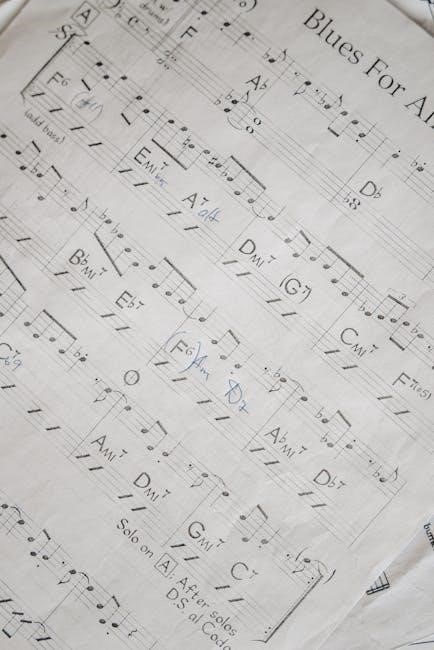
The Internet Archive serves as a prominent source for the Real Book Sixth Edition PDF. As of today, April 28th, 2026, multiple uploads are available, identified by Identifier codes like “real-book-six” and “ark:/13960/s29w6231x85”. These resources were initially added in June 2022, offering access to this widely sought-after jazz compilation.
The archive utilizes OCR processing (version 5.1.0-1-ge935) to render the scanned pages searchable, with a reported page number confidence of 70.43%. While offering convenient access, users should be aware of potential OCR inaccuracies and formatting issues inherent in scanned documents.
Access is generally free, allowing users to borrow or download the PDF, but respecting copyright remains crucial.
PDFCOFFEE.COM and Similar Platforms
PDFCOFFEE.COM is another platform hosting the Real Book Sixth Edition PDF, alongside numerous other document repositories. As of today, April 28th, 2026, this specific upload has garnered significant attention, with 8,801 views and 2,098 downloads. The file size is reported as 39MB, suggesting a relatively complete version of the compilation.
These platforms often aggregate content from various sources, meaning the quality and legality of the PDF can vary. Users should exercise caution and be mindful of potential DMCA (Digital Millennium Copyright Act) or copyright infringements.
While convenient, relying on such platforms carries risks, including potential malware or corrupted files. Always scan downloaded files with updated antivirus software.
Potential Risks of Downloading from Unofficial Sources

Downloading the Real Book Sixth Edition PDF from unofficial sources like certain websites and file-sharing platforms presents several risks. A primary concern is the potential for malware and viruses embedded within the file, compromising your device’s security. Corrupted files are also common, leading to incomplete or unusable PDFs.
Furthermore, these sources frequently violate copyright law, potentially exposing users to legal repercussions. The quality of the PDF can be questionable, often featuring poor OCR (Optical Character Recognition) accuracy, rendering the sheet music difficult to read.
Downloading from unauthorized sites also financially harms the creators and publishers of the Real Book. Always prioritize legitimate sources to support the music community and ensure a safe, high-quality experience.
File Size and Quality of Available PDFs
The Real Book Sixth Edition PDF file size varies depending on the source and scanning quality, but commonly falls around 39MB, as noted on platforms like PDFCOFFEE.COM. Larger file sizes generally indicate higher resolution scans, potentially improving readability. However, size isn’t the sole indicator of quality.
OCR accuracy is crucial; the Internet Archive upload utilizes tesseract 5.1.0-1-ge935, with a page number confidence of 70.43%. Lower confidence suggests potential errors in text recognition, impacting usability. Expect variations in quality across different PDFs.
Assess readability by examining sample pages before downloading. Look for clear notation, accurate transcriptions, and proper formatting. Prioritize PDFs with high resolution and minimal OCR errors for a better musical experience.
Typical File Size for the Real Book 6th Edition PDF
Determining a typical file size for the Real Book Sixth Edition PDF requires considering various sources and scan qualities. Based on available data, a common file size appears to be approximately 39MB, as reported by PDFCOFFEE.COM. This size suggests a reasonably detailed scan, balancing file size with image clarity.
However, file sizes can fluctuate. Higher resolution scans, including detailed chord charts and notation, will naturally result in larger files. Conversely, lower resolution or compressed PDFs will be smaller, potentially sacrificing readability. The Internet Archive upload, while not explicitly stating size, implies a comparable range.
Expect variations, but 39MB serves as a useful benchmark when searching for and evaluating PDF versions of this essential jazz resource.
Assessing PDF Quality: OCR Accuracy and Readability
When obtaining a Real Book Sixth Edition PDF, evaluating its quality is crucial. The Internet Archive notes the use of Tesseract 5.1.0-1-ge935 for Optical Character Recognition (OCR). While OCR aims to convert scanned images into searchable text, accuracy isn’t guaranteed.
A page number confidence of 70.43% suggests potential errors in text recognition. Examine the PDF closely for misidentified notes, chords, or lyrics. Poor OCR impacts searchability and usability. Readability is also key; assess the clarity of the musical notation and chord diagrams.
Look for clean scans without excessive distortion or blurriness. A well-processed PDF will offer both accurate text and clear visuals, enhancing the learning and playing experience. Prioritize PDFs with higher OCR confidence scores when available.
Using the Real Book Sixth Edition PDF Effectively
To maximize your experience with a Real Book Sixth Edition PDF, utilize appropriate software. Adobe Acrobat Reader or similar PDF viewers are essential. Leverage the search functionality to quickly locate specific songs or chord changes – a benefit of successful OCR processing.
Employ bookmarking features to mark frequently played tunes or sections for practice. Annotation tools allow you to add personalized notes, fingerings, or reminders directly onto the PDF pages. This customization enhances learning and memorization.
Ensure your device has sufficient storage for the 39MB file size often associated with this edition. Regularly back up your PDF to prevent data loss. Consider using a tablet for portability during rehearsals or performances.
Software for Viewing and Annotating PDFs
Several software options enhance the Real Book Sixth Edition PDF experience. Adobe Acrobat Reader DC remains a standard, offering reliable viewing and basic annotation tools. For more advanced features, Adobe Acrobat Pro DC provides comprehensive editing capabilities.
Alternatives include Foxit PDF Reader, known for its speed and lightweight design, and PDFelement, offering a user-friendly interface and robust annotation features. These programs allow adding highlights, sticky notes, and text boxes directly onto the PDF pages.
Consider software compatibility with your operating system. Ensure the chosen program can handle the 39MB file size efficiently. Prioritize software with strong OCR capabilities to improve readability if the PDF’s text quality varies.
Navigating the PDF: Search Functionality and Bookmarks
Effectively utilizing the Real Book Sixth Edition PDF requires mastering its navigation features. The search functionality, present in most PDF viewers like Adobe Acrobat Reader DC, is crucial for quickly locating specific songs or chord changes within the extensive content.
Leverage bookmarking to create a personalized table of contents; Add bookmarks for frequently played tunes, specific genres, or sections you’re actively learning. This significantly reduces scrolling through the 39MB file, especially given the volume of material.
Pay attention to the PDF’s internal linking, if available. Well-structured PDFs may include clickable links to related sections. Regularly updating bookmarks ensures efficient access to your preferred repertoire.
Alternatives to the PDF: Print and Digital Sheet Music
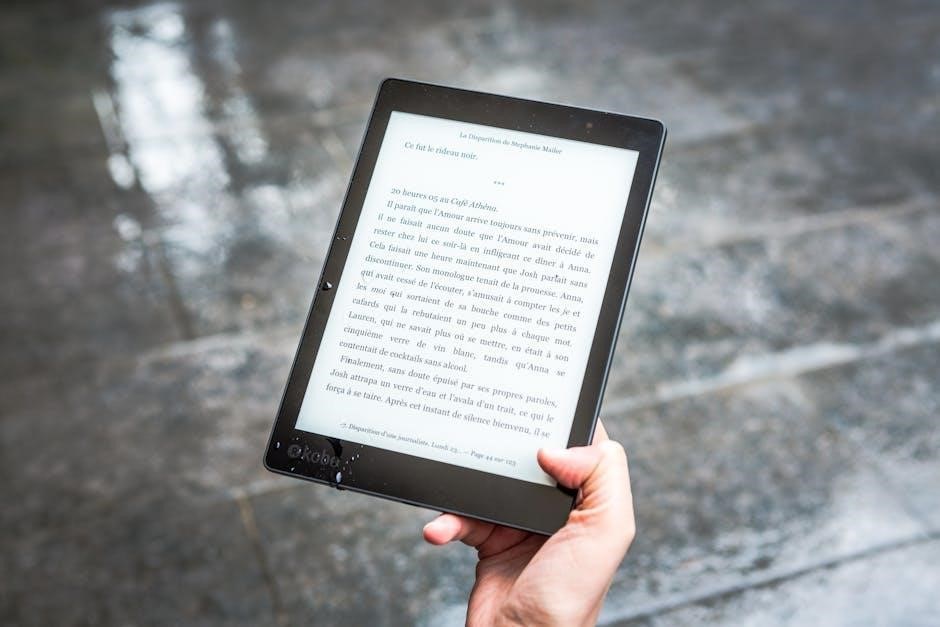
While the Real Book Sixth Edition PDF offers convenience, exploring alternatives enhances the musical experience. Hal Leonard, the publisher, provides official digital sheet music options, often accessible through platforms like Musicnotes.com, offering legally compliant access.
Traditional print copies remain popular for their tactile feel and ease of annotation. These avoid potential issues with PDF file corruption or OCR inaccuracies. Official sources guarantee accurate transcriptions, unlike potentially flawed PDF versions circulating online.

Consider the benefits of interactive digital sheet music – features like adjustable tempo, looping, and transposition can aid learning. Weigh the cost against the convenience and legality of official sources versus free, but potentially risky, PDF downloads.
Hal Leonard’s Official Digital Sheet Music Options
Hal Leonard directly offers digital versions of the Real Book Sixth Edition, providing a legally sound alternative to freely available PDFs. These options are typically accessible through their website and partnered digital music retailers, ensuring high-quality transcriptions and accurate charts.
Subscribers often gain access to interactive features, including playback, transposition, and adjustable tempo – valuable tools for musicians of all levels. Purchasing directly supports the creators and copyright holders, fostering continued development of the Real Book series.
Compared to potentially corrupted or poorly scanned PDFs found on platforms like PDFCOFFEE.COM, Hal Leonard’s digital sheet music guarantees readability and reliability. Explore bundled options or individual song purchases to tailor your digital library.
Benefits of Using Official Sheet Music Sources
Opting for official sources like Hal Leonard when acquiring the Real Book Sixth Edition, even in digital format, provides significant advantages over unofficial PDF downloads. Primarily, you’re supporting the musicians, transcribers, and publishers who contribute to the creation of this essential jazz resource.
Official versions guarantee accuracy, avoiding the potential for OCR errors and formatting issues common in freely distributed PDFs. This translates to cleaner charts, easier readability, and a more reliable learning experience. Furthermore, official purchases mitigate the risks associated with downloading from potentially unsafe websites.
Hal Leonard’s digital options often include features like adjustable playback speed and transposition, enhancing practice and performance. Choosing official sources ensures a legally compliant and high-quality musical experience, unlike resources found on sites like the Internet Archive.
Troubleshooting Common PDF Issues
When working with Real Book Sixth Edition PDF files, particularly those sourced from platforms like PDFCOFFEE.COM or the Internet Archive, several issues can arise. Corrupted files are a frequent problem, often preventing opening or displaying correctly. Trying a different PDF reader – Adobe Acrobat, Foxit Reader, or others – can sometimes resolve this.
OCR (Optical Character Recognition) errors are common in scanned PDFs, leading to incorrect notes or lyrics. Careful comparison with recordings and other sources is crucial. Formatting problems, like misaligned measures or unclear symbols, can also occur.
If a PDF won’t open, ensure your PDF reader is updated. For minor errors, attempting a “repair” function within the reader might help. Remember that unofficial sources may offer lower quality files, increasing the likelihood of these issues. A 39MB file size doesn’t guarantee quality.
Fixing Corrupted PDF Files
Encountering a corrupted Real Book Sixth Edition PDF can be frustrating, especially when relying on sources like the Internet Archive; Initial troubleshooting involves attempting to open the file with multiple PDF readers – Adobe Acrobat, Foxit Reader, and even online viewers. Often, one program can successfully render a file another cannot.
If the issue persists, dedicated PDF repair tools are available, both free and paid. These tools analyze the file structure and attempt to reconstruct damaged data. However, success isn’t guaranteed, particularly with severely corrupted files.
Downloading the PDF again from the original source is a simple, yet effective, solution. If the source is unreliable, consider seeking a different download. Remember, a file size of 39MB doesn’t preclude corruption. Backing up your PDFs regularly can prevent data loss;
Addressing OCR Errors and Formatting Problems
Many Real Book Sixth Edition PDFs available online, particularly those sourced from scans like those on the Internet Archive, rely on Optical Character Recognition (OCR). OCR isn’t perfect; errors are common, resulting in incorrect notes or lyrics. The OCR module version used in some uploads is 0.0.16, with a page number confidence of 70.43%.

Carefully proofread the music, comparing it to known versions or recordings; Manual correction using PDF editing software is often necessary. Formatting issues – incorrect symbols, misplaced lines – also frequently occur.
Look for PDFs identified as “clean versions,” like those found on PDFCOFFEE.COM, which may have undergone manual correction. Be aware that even these may contain minor errors. Prioritize official sources when possible to minimize these issues.
The Future of the Real Book and Digital Music Resources

The proliferation of Real Book Sixth Edition PDFs, readily available through platforms like the Internet Archive and PDFCOFFEE.COM, signifies a major shift in jazz education and music access. Digital platforms are democratizing music learning, offering affordable alternatives to expensive print copies.
However, copyright concerns remain central. Future editions may incorporate enhanced digital rights management (DRM) to protect intellectual property. We might see interactive PDFs with embedded audio or play-along tracks.
Continued improvements in OCR technology will enhance the quality of digitized versions. The demand for convenient, searchable, and portable sheet music suggests a continued evolution towards fully integrated digital music resources, potentially eclipsing traditional print formats.
Impact of Digital Platforms on Jazz Education
The accessibility of the Real Book Sixth Edition PDF via platforms like the Internet Archive and PDFCOFFEE.COM is profoundly impacting jazz education. Students now have easier, more affordable access to a vast repertoire, fostering wider participation and independent learning.
However, reliance on potentially inaccurate OCR-scanned PDFs presents challenges. Educators must emphasize critical evaluation of sources and encourage students to cross-reference with official sheet music when possible.
Digital platforms facilitate remote learning and collaboration. The convenience of searchable PDFs and the ability to share resources online are transforming traditional teaching methods, creating a more dynamic and inclusive learning environment for aspiring jazz musicians.
Potential Future Editions and Updates
Considering the ongoing evolution of jazz and the increasing demand for accurate transcriptions, future editions of the Real Book are highly probable. While the Sixth Edition represents a significant improvement, the prevalence of PDF versions – often derived from OCR scans – highlights a need for officially digitized, high-quality resources.
Updates could include expanded repertoire, particularly incorporating contemporary jazz compositions and addressing omissions from previous editions. Improved PDF accessibility features, such as enhanced search functionality and interactive elements, are also likely.
Hal Leonard may explore subscription-based digital access models, offering regularly updated content and reducing reliance on potentially illegal or low-quality PDF downloads from sites like PDFCOFFEE.COM and the Internet Archive.