NFHS Lacrosse Rules 2023/2026: A Comprehensive Overview
Navigating the latest NFHS lacrosse regulations requires access to official documentation. Updates for both boys’ and girls’ lacrosse, spanning 2023 through 2026, are crucial for coaches, players, and officials.
Understanding the foundational principles of NFHS lacrosse rules is paramount for a safe, fair, and enjoyable experience for all participants. The National Federation of State High School Associations (NFHS) establishes standardized regulations governing play across the nation, ensuring consistency from state to state. These rules encompass all facets of the game, including player conduct, equipment specifications, field dimensions, and scoring procedures.
The NFHS rules aren’t static; they undergo periodic review and revision based on feedback from coaches, officials, and a commitment to enhancing the sport. Accessing the most current official rulebook is therefore essential. The period covered by the 2023/2026 ruleset reflects significant updates impacting both the boys’ and girls’ games. Staying informed about these changes is vital for coaches to properly prepare their teams and for officials to accurately enforce the rules during competition. Proper interpretation and application of these guidelines are key to fostering a positive and competitive lacrosse environment.
Where to Find the Official 2023/2026 PDF
Locating the official NFHS Lacrosse Rules 2023/2026 PDF is crucial for accurate rule interpretation. The primary source for these documents is the NFHS website, specifically the NFHS Rules & Records section. A direct link is typically available through the NFHS website’s sports-specific pages – navigate to “Lacrosse” and then “Rules.”
Often, state high school athletic associations also host the PDF for convenient access. Check your state’s association website; a dedicated rules section will likely contain a downloadable version. Be cautious of unofficial sources, as they may contain outdated or inaccurate information. Always verify that the document originates from the NFHS or a recognized state association; Downloading the PDF ensures you have the most up-to-date regulations readily available offline, facilitating easy reference during practices, games, and rule review sessions. Ensure the document is the complete rulebook, not just summaries or excerpts.
Key Rule-Making Bodies & Updates
The National Federation of State High School Associations (NFHS) serves as the primary governing body for high school lacrosse rules nationwide. However, the process isn’t solely driven by the NFHS. Input is gathered from lacrosse coaches associations and committees, ensuring a collaborative approach to rule modifications.
These groups analyze game trends, safety concerns, and feedback from officials to propose rule changes. The NFHS then reviews these proposals, ultimately approving or rejecting them. Updates aren’t annual; instead, they occur on a two-year cycle for boys’ lacrosse (currently impacting 2025-26) and are also implemented for girls’ lacrosse, with significant changes slated for 2026. The aim is to enhance player safety, improve game flow, and maintain the integrity of the sport. Staying informed about these key bodies and their update schedules is vital for understanding the evolution of lacrosse rules and ensuring compliance.

Boys Lacrosse Rule Changes (2025-26)
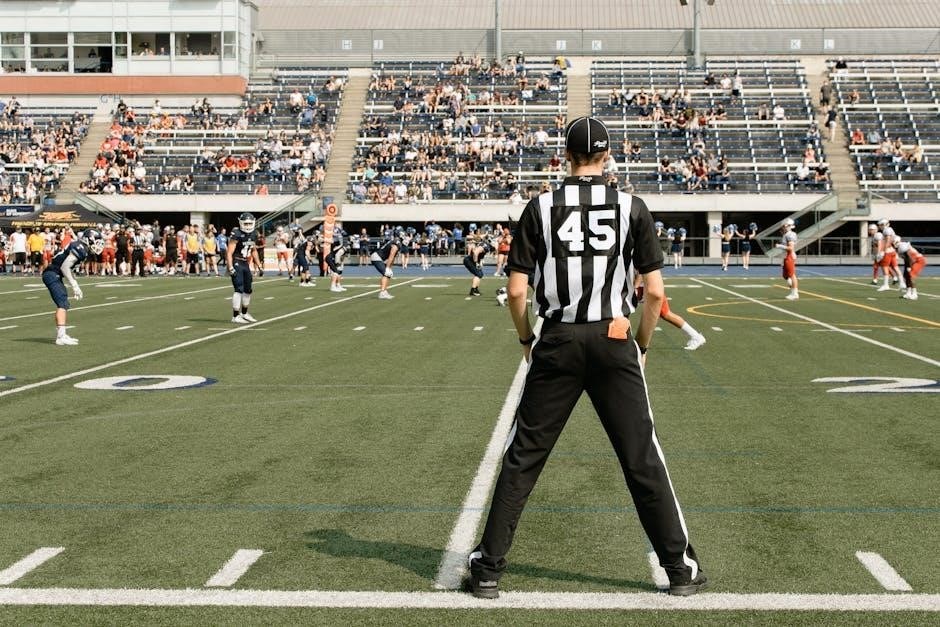
Significant alterations are coming to boys’ lacrosse for the 2025-26 season. Twelve new rules have been approved by the NFHS, impacting gameplay and strategy considerably.
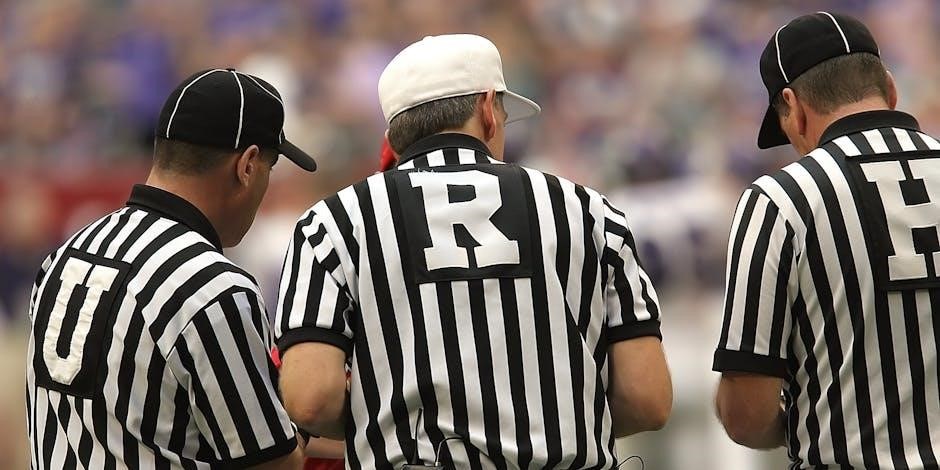
Number of Rule Changes Approved (2025-26)
The National Federation of State High School Associations (NFHS) has implemented a substantial overhaul of the boys’ lacrosse rulebook for the 2025-26 academic year. A total of twelve distinct rule changes were officially approved following careful consideration and recommendations from the sport’s rules committee. This represents a significant number of adjustments compared to previous cycles, signaling a proactive approach to evolving the game.
These changes weren’t undertaken lightly; they stem from a desire to enhance player safety, improve the overall flow of the game, and address areas where clarification was needed. The NFHS continually evaluates feedback from coaches, officials, and players nationwide to identify areas ripe for modification. The sheer volume of changes indicates a commitment to modernizing the sport and ensuring a positive experience for all participants. The approved rules aim to balance competitive integrity with the well-being of athletes.
Focus of the 2025-26 Boys Lacrosse Changes
The primary driver behind the twelve approved rule changes for the 2025-26 boys’ lacrosse season is a concerted effort to refine game management and enhance the overall competitive experience. A key area of focus revolves around the recently implemented shot clock, aiming to optimize its effectiveness and address any unforeseen consequences arising from its initial introduction. Beyond the shot clock, modifications target specific gameplay scenarios to promote fairness and reduce ambiguity.
The NFHS rules committee also prioritized adjustments designed to improve player safety, particularly concerning contact and checking protocols. Several changes seek to clarify existing rules and provide officials with more consistent guidelines for enforcing penalties. Ultimately, the overarching goal is to foster a faster-paced, more skillful, and safer game of lacrosse for all involved, while maintaining the integrity of the sport’s traditions.
Shot Clock Implementation & Impact
The introduction of the shot clock in boys’ lacrosse represents a significant shift in game strategy and tempo. Following its initial adoption in some regions, like Section III in New York, the NFHS has focused on refining its implementation nationwide for the 2025-26 season. The shot clock aims to prevent excessive stalling and encourage more offensive creativity, leading to a more engaging spectator experience.
However, the implementation isn’t without its complexities. Rule adjustments are being made to address situations arising from the shot clock’s use, ensuring fair play and preventing unintended consequences. Officials are receiving updated training to consistently manage the clock and related penalties. The impact extends beyond simply forcing shots; it’s expected to influence offensive set development and defensive strategies, demanding greater athleticism and tactical awareness from players at all levels.
Specific Rule Changes — Boys Lacrosse (Detail 1)
The NFHS has approved twelve new rules for boys lacrosse, effective for the 2025-26 school year. One key change addresses the procedures surrounding illegal body checks. Referees will now have greater discretion in determining the severity of an illegal check, moving beyond a simple penalty assessment to consider the intent and impact of the contact.
This adjustment aims to reduce dangerous play while still allowing for physical lacrosse. The revised rule clarifies the definition of an illegal check, emphasizing the importance of targeting the opponent’s body within the rules framework. Officials will be trained to differentiate between accidental contact and deliberate attempts to injure, leading to more consistent and equitable enforcement. This change intends to foster a safer playing environment without fundamentally altering the sport’s physicality.
Specific Rule Changes ⎼ Boys Lacrosse (Detail 2)
A significant alteration focuses on the implementation of the shot clock. Following successful trials in some regions, the NFHS is now mandating a shot clock for all boys lacrosse games. The clock will be set for 80 seconds, requiring teams to attempt a shot on goal within that timeframe. This rule change is designed to address stalling tactics and promote a faster, more exciting pace of play.
Coaches and players will need to adapt their strategies to account for the shot clock. Offensive formations and ball movement will likely become more dynamic, emphasizing quick passing and efficient shooting. The impact on game strategy is expected to be substantial, potentially leading to higher scoring games and increased offensive creativity. Referees will be responsible for accurately monitoring and enforcing the shot clock throughout each contest.
Specific Rule Changes — Boys Lacrosse (Detail 3)
Another key adjustment concerns the rules surrounding face-offs. The NFHS has modified the procedures for wing players during face-offs, aiming to reduce congestion and enhance player safety. Specifically, the distance wing players must maintain from the face-off circle has been increased. This change intends to provide more space for players to operate and minimize the risk of collisions immediately following the whistle.
Referees will be instructed to strictly enforce the new wing player positioning rules. Violations will result in penalties, potentially awarding possession to the opposing team. Coaches will need to emphasize proper face-off technique and positioning with their players to avoid costly penalties. This adjustment reflects a broader commitment by the NFHS to prioritize player safety and fair play within the sport of boys lacrosse.

Girls Lacrosse Rule Changes (2026)
The 2026 rules prioritize enhancing game flow and pace. Five recommended changes by the NFHS Girls Lacrosse Rules Committee aim for a more dynamic and engaging experience.
Focus of the 2026 Girls Lacrosse Changes
The overarching theme of the 2026 rule modifications for girls lacrosse centers on improving the overall game experience for participants and spectators alike. The National Federation of State High School Associations (NFHS) Girls Lacrosse Rules Committee identified key areas needing refinement to achieve this goal. A primary focus is streamlining gameplay, reducing unnecessary stoppages, and fostering a faster, more fluid pace.
These adjustments aren’t about fundamentally altering the sport, but rather about optimizing its current structure. The committee carefully considered feedback from coaches, officials, and players across the nation to pinpoint areas where rules could be clarified or adjusted to enhance both safety and competitive balance. The intention is to create a more exciting and accessible game, encouraging greater participation and appreciation for the sport at all levels.
Ultimately, the changes aim to emphasize skillful play and strategic decision-making, while minimizing disruptions that detract from the continuous flow of the game. The committee believes these refinements will contribute to a more positive and engaging experience for everyone involved.
Improving Game Flow & Pace of Play
A central tenet of the 2026 girls lacrosse rule revisions is a concerted effort to enhance the game’s rhythm and minimize interruptions. The NFHS committee recognized that frequent stoppages can disrupt momentum and diminish the spectator experience. Several rule changes directly address this concern, aiming for a more continuous and engaging contest.
Specifically, adjustments have been made to procedures surrounding out-of-bounds plays and restarts after fouls. The goal is to expedite these processes, reducing downtime and allowing play to resume more quickly. Refinements to the rules governing self-starts are also intended to keep the ball in play for longer periods, fostering a faster tempo.
These changes aren’t simply about speeding up the game; they’re about creating a more dynamic and captivating experience for both players and fans. By streamlining procedures and reducing unnecessary delays, the NFHS hopes to showcase the athleticism and skill of the athletes, and elevate the overall excitement of girls lacrosse.
Specific Rule Changes ⎼ Girls Lacrosse (Detail 1)
One significant alteration to the girls lacrosse rules for 2026 concerns the procedures following minor fouls. Previously, many minor infractions resulted in a complete stoppage of play and a restart from a designated spot. The revised rule now permits a quicker resumption of play in certain situations, specifically those deemed less impactful on the game’s flow.
Instead of a full stoppage, the opposing team may now be granted immediate possession at the spot of the foul, allowing play to continue without a lengthy interruption. This change is designed to minimize downtime and maintain the game’s momentum, particularly for less severe infractions that don’t significantly alter possession or scoring opportunities.
Officials will be tasked with discerning which fouls warrant a full stoppage versus a quick restart, emphasizing judgment and a focus on preserving the game’s pace. This nuanced approach aims to balance fairness with the need for a more fluid and engaging contest.
Specific Rule Changes — Girls Lacrosse (Detail 2)
Another key adjustment for the 2026 girls lacrosse season focuses on the self-start rule following a minor foul in the 8-meter arc. Previously, a player awarded a free position within the arc had limited options, often requiring a specific signal or waiting for the official’s whistle. The updated rule empowers the player to initiate play immediately upon receiving the signal.
This “quick start” provision aims to reduce hesitation and create more dynamic scoring opportunities. Players can now begin their shooting motion or drive to goal without delay, potentially catching the defense off guard. The change is intended to mirror the speed and fluidity of the game, rewarding quick decision-making and offensive creativity.
Officials will clearly signal when a self-start is permitted, ensuring players understand their rights and responsibilities. This modification is expected to increase the number of successful free position shots and enhance the overall excitement of the game.
Specific Rule Changes, Girls Lacrosse (Detail 3)
A significant alteration to the rules addresses the procedures surrounding goalie interference. The NFHS has clarified the criteria for determining illegal contact with the goalkeeper, specifically focusing on the area directly in front of the goal. Previously, interpretations varied, leading to inconsistent calls and frustration for players and coaches.
The revised rule emphasizes protecting the goalie’s safety and ability to make saves. Any contact that impedes the goalie’s movement or prevents a clear attempt to stop the ball will be penalized more consistently. Referees will be instructed to prioritize the goalie’s positioning and reaction time when evaluating potential fouls.
This change aims to reduce dangerous plays and ensure fair competition. It also encourages offensive players to exercise greater caution when attacking the goal, promoting a safer and more skillful game. Clearer guidelines will hopefully minimize subjective calls and improve the overall flow of play.
Specific Rule Changes ⎼ Girls Lacrosse (Detail 4)
Another key adjustment focuses on the self-start rule following minor fouls committed by the defending team in the 8-meter arc. Previously, the attacking team had limited options, often resulting in a slower restart of play. The updated rule now allows the player awarded the free position to immediately shoot on goal, provided they are within the arc.
This change is directly intended to improve game flow and pace, addressing concerns about stoppages and delays. It empowers offensive players to capitalize on opportunities quickly and encourages more dynamic attacking play. Defenders will need to be particularly disciplined within the arc to avoid conceding immediate scoring chances.
The NFHS believes this modification will lead to a more exciting and fast-paced game for both players and spectators. It also aligns with the broader goal of streamlining the rules and reducing unnecessary interruptions. Referees will be trained to efficiently manage these self-start situations.
Specific Rule Changes ⎼ Girls Lacrosse (Detail 5)
A significant alteration addresses the procedures for administering penalty shots. The previous method allowed for a degree of ambiguity regarding the goalkeeper’s positioning and the shooter’s approach. The revised rule clarifies that the goalkeeper must maintain a stationary position on the goal line, with both feet behind the goal line, until the ball is struck.
Furthermore, the shooter is now granted a clear, unimpeded path to the goal, eliminating any potential for defensive interference during the shot. This standardization aims to ensure fairness and consistency in penalty shot situations, reducing subjective interpretations by officials.
The NFHS anticipates this change will minimize disputes and provide a more equitable outcome for both teams. It emphasizes the importance of a clean, direct shot on goal, rewarding offensive skill and penalizing defensive infractions effectively. Training materials for officials will highlight these specific adjustments.

Common Rules — Boys & Girls Lacrosse
Despite variations, fundamental rules unite both lacrosse disciplines. Consistent regulations regarding field dimensions, player conduct, and safety protocols ensure fair play across genders.
Checking Rules & Penalties
Checking in lacrosse is a complex aspect governed by strict NFHS rules, differing significantly between boys’ and girls’ games. In boys’ lacrosse, legal checking involves stick-to-stick contact within defined areas and parameters, aiming for a controlled disruption of the opponent’s possession. Illegal checks, such as those to the head, neck, or back, incur penalties ranging from minor fouls (one minute) to major fouls (ejection).
Girls’ lacrosse emphasizes a more protective style of play; Checking is permitted only as a “controlled check” – a quick, stick-to-stick contact aimed at dislodging the ball, not forceful body contact. Aggressive or dangerous checks result in penalties, including temporary removal from the game or, in severe cases, ejection. The NFHS continually refines checking rules to prioritize player safety while maintaining the game’s competitive integrity.
Penalties are consistently enforced, with officials carefully monitoring checking actions. Understanding these rules is vital for players, coaches, and officials to ensure a safe and fair playing environment. Consistent application of penalties discourages dangerous play and promotes sportsmanship.
Equipment Regulations (Helmets, Gloves, etc.)

NFHS lacrosse rules mandate specific equipment standards to safeguard players. Helmets, possessing a NOCSAE (National Operating Committee on Standards for Athletic Equipment) certification, are compulsory for all players during practice and games. Face masks are integral to helmet safety, providing crucial protection. Mouthguards are also non-negotiable, preventing dental injuries and concussions.

Gloves must meet NFHS specifications, offering adequate padding and protection for hands and wrists. Boys’ lacrosse requires protective padding in elbows and shoulders, while girls’ lacrosse emphasizes eye protection through mandatory goggles. Goalie equipment demands heightened protection, including a larger helmet, throat protector, and padded chest protector.
Stick specifications are also rigorously enforced. Pocket depth and materials are regulated to ensure fair play and prevent illegal advantages. Regularly inspecting equipment for wear and tear is crucial, and any compromised gear must be replaced immediately. Adherence to these regulations is paramount for player safety and game integrity.
Field Dimensions & Markings
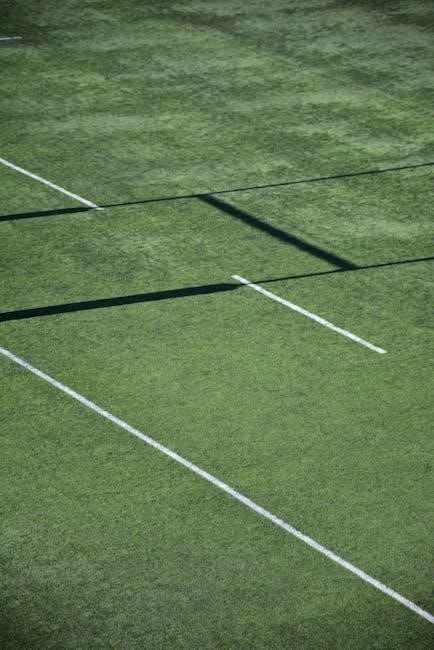
NFHS lacrosse regulations precisely define field dimensions for both boys’ and girls’ games, ensuring consistent play across all levels. The playing field measures 110 yards long and 60 yards wide, encompassing the goal areas and midfield line. Goal cages, centrally located at each end, are 6 feet by 7 feet.
Key markings delineate crucial areas. The midfield line divides the field in half, and restraining lines, 25 yards from each goal, restrict offensive and defensive player positioning during face-offs. The 8-yard arc surrounds each goal, defining the crease area where offensive players are protected.
Specific markings also indicate the spot for direct free positions awarded after certain fouls. Accurate field markings are vital for referees to correctly enforce rules and maintain fair play. Consistent adherence to these dimensional standards and markings is essential for a standardized and safe lacrosse experience for all participants.
Player Positioning & Offsides
NFHS lacrosse rules govern player positioning, particularly concerning offsides violations, impacting strategic gameplay. An offside occurs when a team has more than six players in the offensive half of the field, or more than seven players in the defensive half, before the ball enters that zone.
This rule aims to prevent offensive overcrowding and maintain a balanced field. Players must remain within their designated half until the ball crosses the midfield line. Exceptions exist for players clearing or riding from the defensive end. Understanding these nuances is crucial for avoiding penalties.
Restraining lines further regulate player movement during face-offs, limiting the number of players allowed in specific zones. Proper positioning is vital for successful face-offs and maintaining possession. Referees closely monitor these areas to enforce offsides and restraining line rules, ensuring fair and strategic play throughout the game.